

Finding the right California process piping contractor is one of the most critical decisions a facility owner or general contractor can make in 2026. Construction compliance is essential for ensuring safety, legal, and financial protection on every project, and understanding the rules is critical. The wrong hire leads to failed inspections, costly project delays, and serious safety risks that put your business, your employees, and the public at risk.
In 2026, California’s construction compliance will be increasingly important due to evolving safety regulations and building codes. This guide gives you the honest, straightforward information you need before signing any contract.
TL;DR
- California process piping work requires specific licensing, insurance, and compliance knowledge
- Hiring without verifying credentials puts your project, your workers, and your budget at risk
- The California Plumbing Code will have significant updates taking effect on January 1, 2026, including new energy efficiency requirements
- Verifying essential specialty certifications, such as C-36 for Plumbing or C-34 for Pipeline, is required
- Supply chain improvements in 2026 have shortened lead times, but California labor and permitting costs remain significant
- Extreme Industrial Coatings is a family-owned process piping contractor serving Fresno and Northern California for 15+ years with no hidden fees
What Is Process Piping and Why Does It Matter for California Facilities?
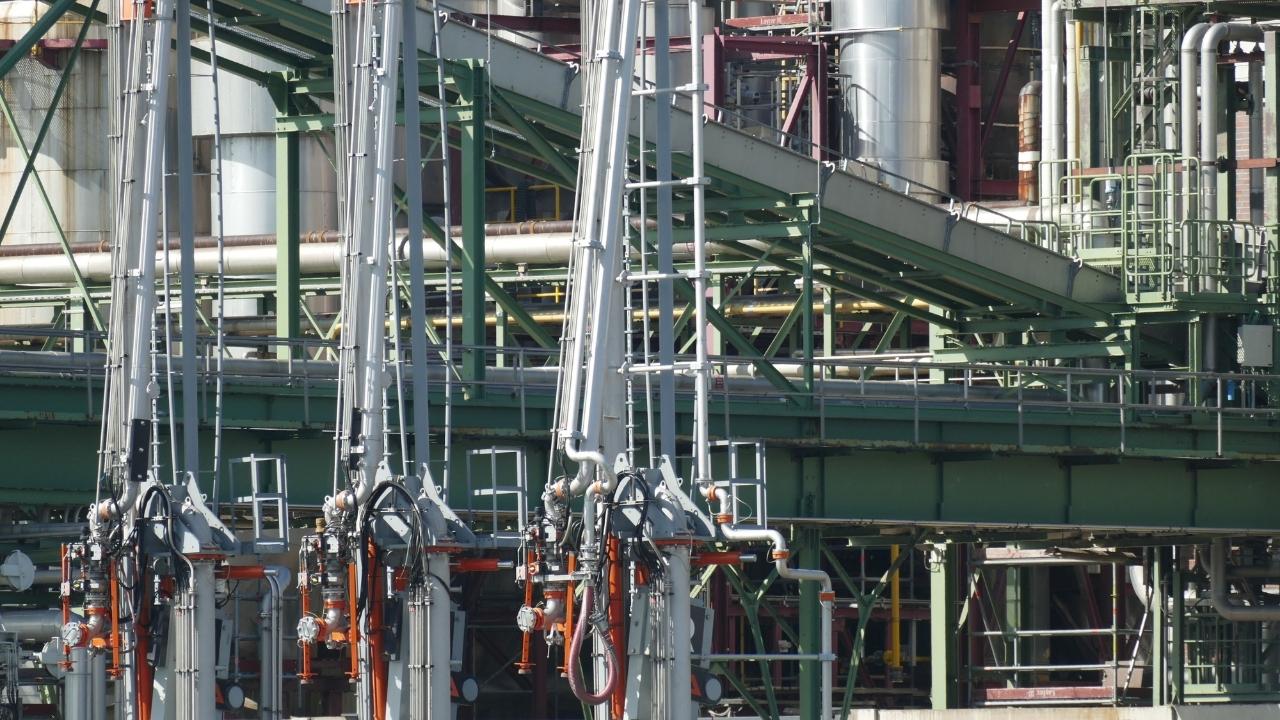
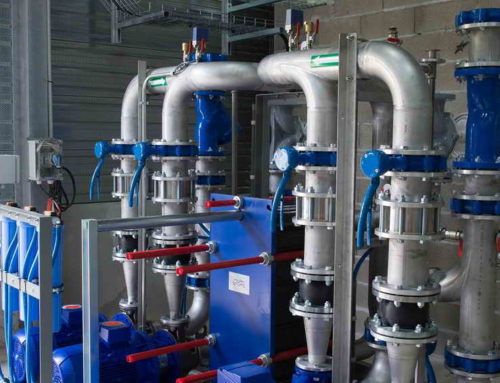
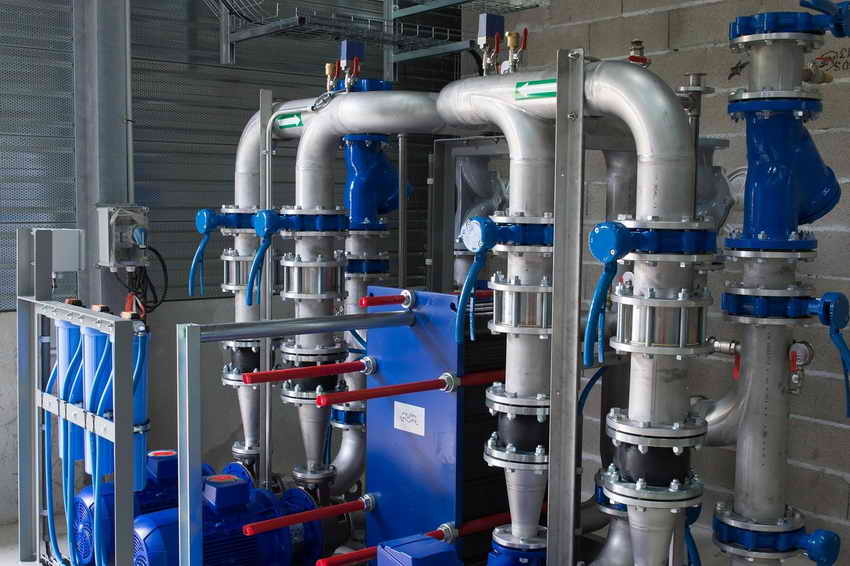
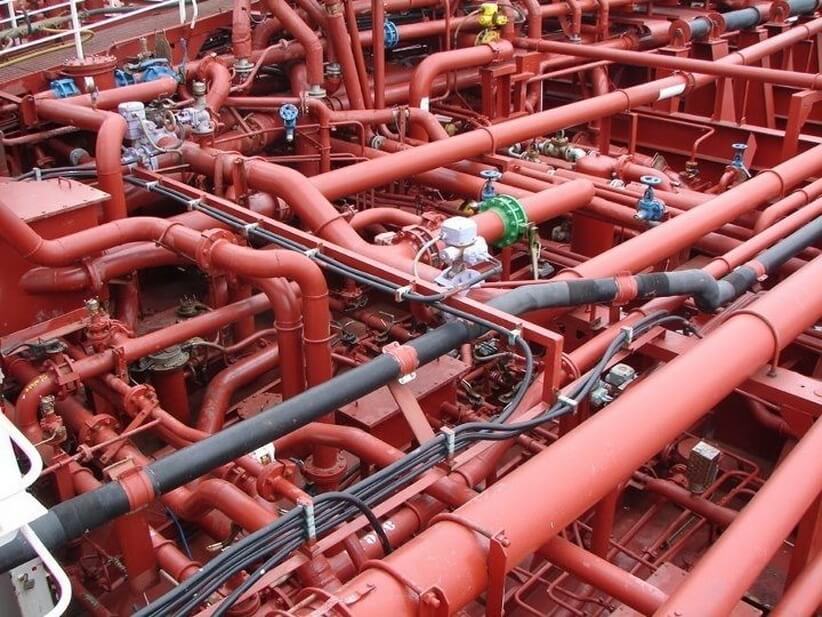
Process piping refers to the systems that transfer fluids, gases, and chemicals throughout a commercial or industrial facility. It is not the same as standard plumbing. Process piping is governed by stricter engineering standards, requires specialized installation experience, and directly affects the safety and efficient design and operation of your entire operation, which is crucial for both compliance and optimal performance.
Efficient process piping systems are essential for meeting industry standards and ensuring cost-effective, sustainable operations. In California, energy efficiency is a key compliance factor for process piping systems, especially as regulations continue to evolve.
Common process piping systems include:
- Fluid and gas transfer lines in food processing and manufacturing
- Chemical and wastewater piping in industrial facilities
- Sanitary stainless steel piping for food-grade environments
- High-pressure and high-temperature line systems
- Agricultural processing and irrigation transfer systems
- Drain and utility piping tied to production operations
The ASME B31.3 Process Piping Code is the governing standard for process piping in the United States. Any contractor working on your piping systems needs a deep understanding of this standard and how it applies to California construction projects. Additionally, the California Building Standards Code (Title 24) will govern structural, fire, mechanical, plumbing, energy, and accessibility requirements in 2026.
What Licenses and Certifications Should a California Process Piping Contractor Have?
California has some of the most detailed legal requirements for specialty contractors in the country. Before hiring anyone, verify all credentials and ensure they comply with all rules set by state and local agencies. This is not optional. It is the difference between a compliant, protected project and a job site liability that costs you more money in the end.
Here is what to confirm before signing a contract:
- Active California C-36 Plumbing Contractor license for commercial and industrial piping systems
- Valid CSLB registration with a clean license status and no disciplinary history
- Demonstrated experience with ASME B31.3 process piping standards
- Working knowledge of California Title 8 safety regulations and local amendments
- Familiarity with FDA and USDA sanitary piping requirements for food facilities
- General liability insurance and workers’ compensation coverage with current certificates
- Documentation of training programs for field technicians and installers
California offers over 43 contractor license classifications to fit various trades and experience levels. Contractors must possess appropriate specialty certifications, such as C-36 for Plumbing or C-34 for Pipeline. To obtain a California contractor license, applicants must have at least 4 years of journeyman-level experience in their trade within the last 10 years. All contractors in California must maintain a $25,000 contractor bond to obtain their license. The typical timeline to obtain a California contractor license is 6-9 months, including application processing and exam preparation.
Contractors must pass two examinations: the Law & Business exam and the Trade exam. Licenses must be renewed every 2 years, with a $450 renewal fee. California law permits the revocation of a contractor’s license if they have unpaid wage judgments or court orders, as per AB 1002. As of January 1, 2025, projects valued at $1,000 or more require a valid California contractor license due to Assembly Bill 2622.
The California Contractors State License Board allows anyone to verify a contractor’s license status online in minutes. Use it. Unverified subcontractors on your job site expose you to insurance premiums, legal requirements violations, and potential liability for worker injuries.
If your project spans multiple regions, be aware that local jurisdictions in Los Angeles and San Bernardino counties, as well as Southern California projects, may impose additional local amendments and permit requirements beyond state law. A contractor with experience in both Northern and Southern California projects will know how to navigate those differences efficiently. Contractors must also stay informed about local amendments to the California Plumbing Code, as these rules can vary by jurisdiction.
To streamline compliance and documentation processes, many contractors use digital and physical tools such as checklists, software, and digital storage solutions. These tools help improve efficiency, accuracy, and document management throughout the project.
What Types of Facilities Need a Process Piping Contractor in Northern California?
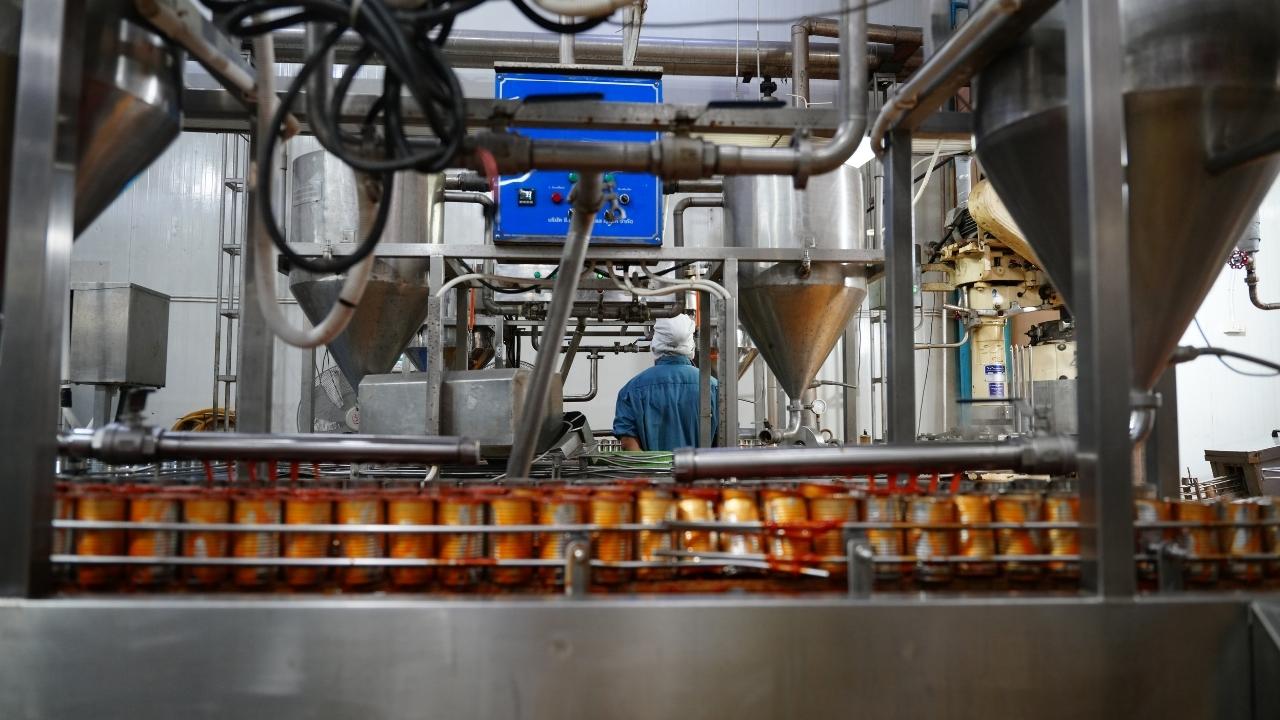
Northern California is home to one of the most diverse industrial bases in the country. These industries all regularly require professional process piping installation and service:
- Food and beverage processing plants
- Dairy and agriculture processing facilities
- Chemical and pharmaceutical manufacturing
- Warehouses and cold storage operations
- Wineries and craft beverage production facilities
- Industrial manufacturing and fabrication shops
- Commercial construction and public works projects
- General contractors managing multi-trade commercial builds
Extreme Industrial Coatings works directly with facility owners, general contractors, and businesses across Fresno and Northern California on piping systems of all scales.
Ready to talk through your piping project? Call us at 559-213-4731 for a free quote with no hidden fees.
What Does a Full Process Piping Installation Include?
A thorough, well-managed installation does far more than run pipe from point A to point B. Quality control starts at the planning phase and runs through every step of the project. Here is what a complete scope of work should include:
- System design review and layout planning tied to your building’s existing infrastructure
- Pipe material selection based on fluid type, pressure, temperature, and compliance requirements
- Fabrication and prefabrication of pipe assemblies through our California steel fabrication services
- Field installation and precision fitting
- Pressure testing and leak detection before commissioning
- Regulatory inspection preparation and documentation for local building department review
- Integration with existing drainage, utility, and production systems
Leading California process piping contractors utilize advanced tools such as Building Information Modeling (BIM), AI-driven project management software, Digital Twins, and intelligent 3D models to ensure efficient, accurate installation and real-time monitoring of operating conditions. Advanced shops employ robotic fabrication techniques, such as CNC and laser cutting, to improve precision in pipework.
Comprehensive documentation protocols, including weld traceability and testing, are critical for sanitary piping compliance. Contractors should also conduct in-house hydrostatic, pneumatic, and ultrasonic testing to maintain a weld-reject ratio below 1 percent.
Skipping or rushing any of these steps is one of the most common causes of failed inspections and project delays on California construction projects.
How Do You Choose the Right Pipe Material for Your Facility?
Material selection is one of the most consequential decisions in any piping project. The right material protects public health, ensures compliance, and directly affects the long-term efficiency of your system. The wrong material creates corrosion, contamination risk, and costly replacements.
| Material | Best Use Case | Corrosion Resistance | Temperature Rating | Cost Range |
|---|---|---|---|---|
| Stainless Steel | Food-grade, sanitary, chemical | Excellent | Very High | Higher |
| Carbon Steel | Industrial, high-pressure systems | Moderate | High | Moderate |
| PVC | Low-pressure, chemical drain lines | Very Good | Low to Moderate | Lower |
| CPVC | Hot water and chemical lines | Very Good | Moderate to High | Moderate |
| HDPE | Underground and corrosive environments | Excellent | Moderate | Moderate |
Material costs have stabilized in 2026 after years of supply chain volatility. This means lead times are more predictable now than they have been since 2020. However, stainless steel and specialty alloys still carry a significant premium over PVC and standard carbon steel. Always build material costs into your budget before finalizing a contract.
What Does It Cost to Hire a Process Piping Contractor in California in 2026?

Cost is always a focus for facility owners and general contractors. Process piping is not an area to cut corners in order to save money upfront. The cost of a failed inspection, a project shutdown, or a worker injury will always exceed whatever was saved by hiring the lowest bidder.
Key cost factors for any California process piping project:
- Scope and linear footage of the piping system
- Material type and current market pricing
- Complexity of fittings, valves, and connections
- Site conditions, access challenges, and job site logistics
- Permit and inspection fees required by local jurisdictions
- Whether fabrication is performed on-site or prefabricated off-site
- Workers’ compensation and insurance requirements for the project
California labor and permitting costs remain among the highest in the country. An experienced contractor who knows California law, local building department processes, and CSLB compliance will keep your project on schedule and protect you from costly surprises.
We provide detailed, itemized quotes for every project with no hidden fees. Call us at 559-213-4731 for a free quote today.
What Are the Most Common Process Piping Mistakes California Facilities Make?
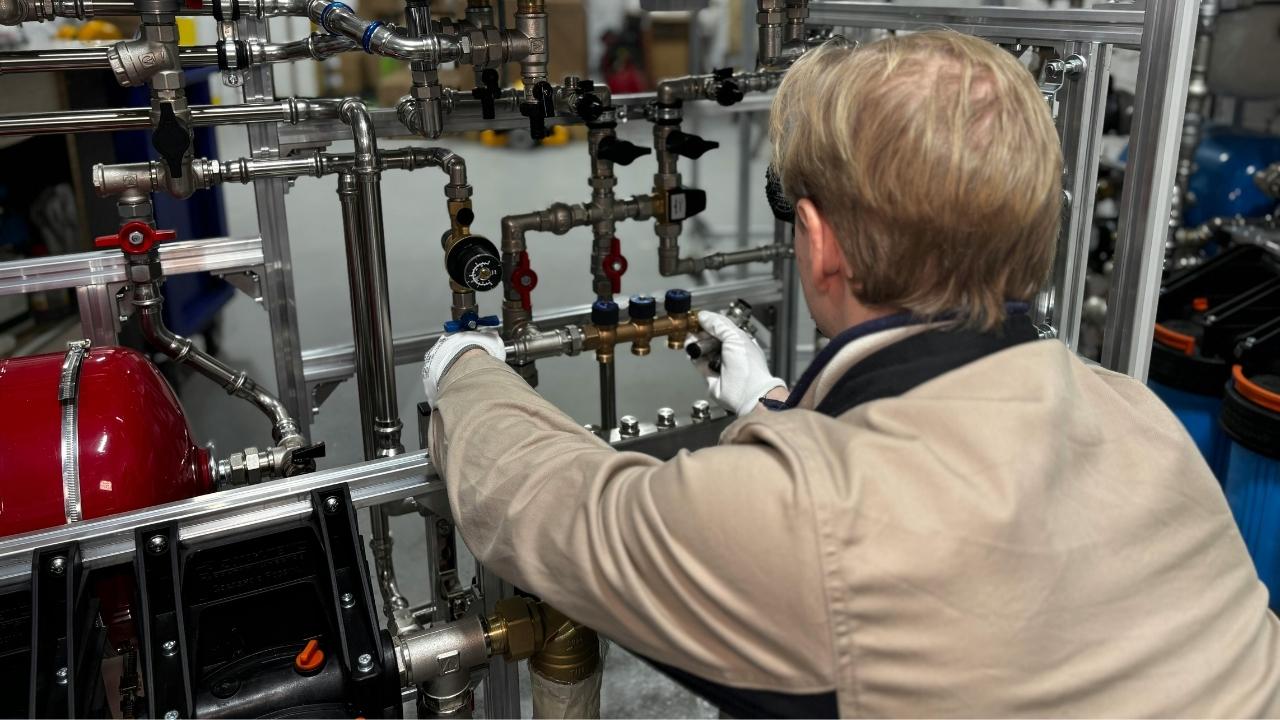
These mistakes show up repeatedly on California construction projects. Every single one of them is preventable with the right contractor and careful planning up front.
- Hiring a contractor without verified ASME B31.3 experience or an active license status
- Choosing pipe materials based on cost alone rather than compliance and performance requirements
- Skipping pressure testing before commissioning new or modified systems
- Failing to account for thermal expansion in high-temperature piping systems
- Not planning for future expansion during initial installation, which leads to costly rework later
- Ignoring Cal/OSHA Title 8 safety regulations during system design and installation
- Using subcontractors who cannot prove compliance with California workers’ compensation and licensing laws
Construction compliance is the ongoing process of ensuring that every project complies with all applicable federal, state, and local rules. Failing to comply with construction regulations can result in severe financial penalties, stop-work orders, project delays, and even criminal liability. Non-compliance with environmental standards can also lead to project shutdowns, stop-work orders, and significant penalties, especially since California’s construction industry operates under some of the nation’s most rigorous environmental regulations. Contractors must have robust safety programs that comply with OSHA standards and local California regulations to avoid these risks.
Each of these mistakes increases risk, drives up costs, and puts your employees and your business at legal and financial exposure. A qualified specialty contractor eliminates all of them through proper planning, documentation, and quality control from day one.
Why Extreme Industrial Coatings Is Northern California’s Trusted Process Piping Contractor
We are a family-owned company with 15 years of experience completing commercial and industrial piping projects across Fresno and Northern California. We bring honest pricing, no hidden fees, and a trained field team to every job we take on. Our work extends beyond piping into the full scope of industrial facility services, including California steel tank repair, California industrial coatings, and general contracting services for complex multi-trade projects.
We work with general contractors, facility owners, and businesses of all sizes. Whether you are managing a new construction project, upgrading an aging system, or ensuring compliance before an inspection, we have the experience and capabilities to get it done right.
Key Takeaways
- California process piping requires a licensed, insured contractor with ASME B31.3 and Title 8 knowledge
- In 2026, construction compliance is more important than ever due to evolving Cal/OSHA standards and stricter enforcement of labor and environmental laws
- Staying informed about local, state, and federal regulations is essential for contractors to ensure compliance
- Always verify license status, workers’ compensation, and insurance before signing any contract
- Material selection directly affects compliance, longevity, and total project cost
- Supply chain conditions in 2026 have improved lead times, but California labor and permitting costs remain significant budget factors
- Common piping mistakes are almost always caused by hiring on price alone or skipping the planning phase
- Extreme Industrial Coatings brings 15+ years of honest, no hidden fees, process piping experience to Northern California
Frequently Asked Questions
What license does a process piping contractor need in California?
A California process piping contractor working on commercial and industrial systems typically needs an active C-36 Plumbing Contractor license issued by the CSLB. Depending on the scope, additional license classifications may apply. Always verify license status directly through the CSLB before hiring.
How much does process piping installation cost in California?
Costs vary based on system size, material type, site complexity, and permit requirements. Smaller commercial projects may start in the low tens of thousands. Large industrial systems run significantly higher. We provide free, detailed quotes with no hidden fees, so your budget is clear from day one.
What is the difference between process piping and plumbing?
Plumbing refers to potable water, sanitary waste, and standard utility systems in a building. Process piping handles the transfer of fluids, gases, and chemicals directly tied to industrial production and manufacturing operations. Process piping is governed by ASME B31.3, a stricter standard than the standard plumbing code.
How long does a commercial process piping project take?
Timelines depend on system complexity, material lead times, and permit processing. Smaller installations may be completed in a few days. Larger systems with prefabricated assemblies and multi-phase installations can run for several weeks. We plan every project to minimize disruption to your operations.
What pipe material is best for food processing facilities in California?
316L stainless steel is the industry standard for food-grade process piping in California facilities. It meets FDA and USDA surface finish requirements, handles high-acid and high-temperature products, and supports clean-in-place sanitation protocols. For non-food-contact utility lines, CPVC or HDPE may be appropriate, depending on the application.
Ready to Hire a Trusted California Process Piping Contractor?
Your piping system is too critical to leave to chance. Whether you are building new, upgrading aging infrastructure, or ensuring compliance before an inspection, Extreme Industrial Coatings brings the experience, credentials, and honest pricing your project demands. We are a family-owned California process piping contractor with 15+ years of completed projects across Fresno and Northern California, and we are ready to help. Call us at 559-213-4731 for a free quote today, or contact us online to get started.