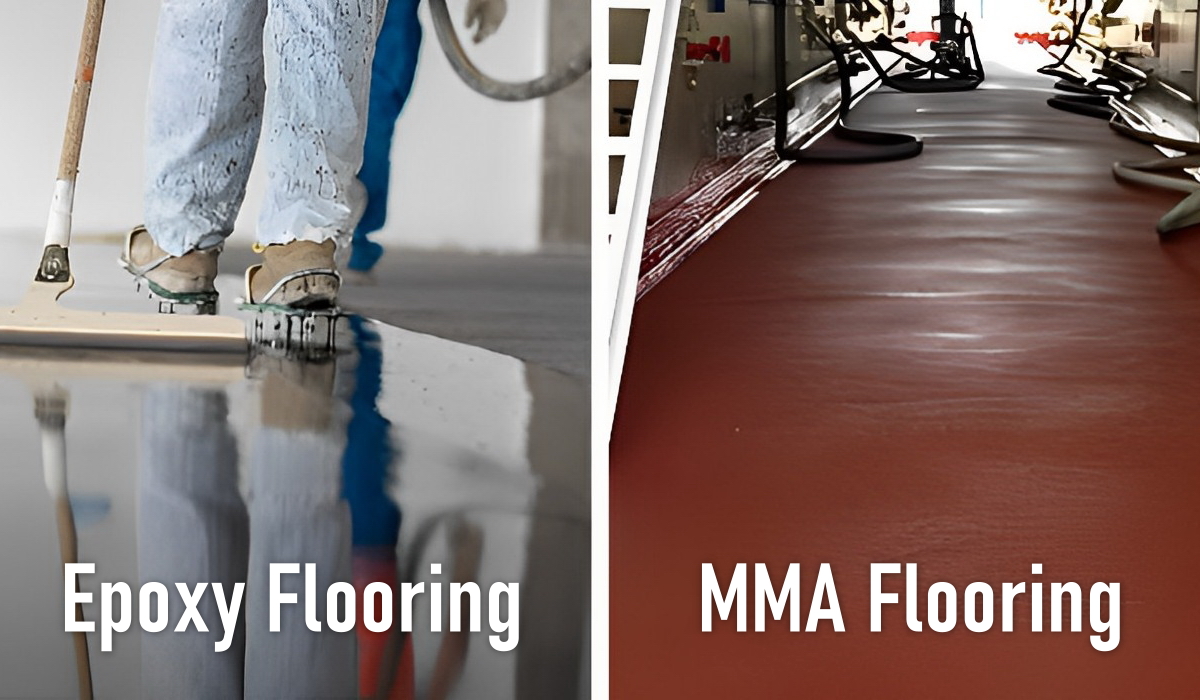

MMA flooring, short for methyl methacrylate flooring, is a fast-curing resin system designed for facilities that cannot afford a multi-day floor installation. Northern California plants should use it when minimal downtime is critical, especially in cold storage, food processing, and round-the-clock manufacturing. Managers and facility decision-makers turn to MMA flooring when downtime costs more than the coating itself and when the floor must handle heavy traffic or extreme temperatures without shutting production down for days.
This guide explains what methyl methacrylate MMA systems are, how they compare to epoxy flooring and urethane systems, where MMA performs well, where its drawbacks matter, which installation mistakes cause problems, and how to choose the right floor system for your plant. For Northern California facilities balancing uptime, durability, and installation speed, that choice affects operational continuity, maintenance costs, and how quickly a space can return to service.
TL;DR: Quick Answer on MMA Flooring
MMA flooring cures in 1 to 2 hours, even in low-temperature environments down to -20 degrees Fahrenheit, making it the ideal choice for facilities that need minimal downtime. It costs more upfront than epoxy, but it pays for itself in avoided lost revenue. Northern California plants in cold storage, food processing areas, and high-traffic areas are the best fit for this material.
What Is MMA Flooring?
Methyl methacrylate MMA flooring uses a liquid resin and catalyst that chemically fuse together once mixed, creating a hard, seamless surface in a fraction of the time epoxy or urethane systems need. A typical MMA installation consists of a primer, a body coat, and a topcoat, and the finished MMA coating can be ready for vehicular traffic in about 60 minutes, depending on the system.
MMA resin works on more than a bare concrete slab. Crews can also bond a new layer over wood, tiles, and other substrates after proper prep work, giving a facility more flexibility for a flooring project in an existing building. Compared to other flooring systems, this floor coating can cure quickly enough to resist wear from forklifts and foot traffic the same day it goes down. It is also UV-resistant and stays stable under continuous sunlight, making it suitable for indoor and outdoor applications.
How Does MMA Flooring Compare to Epoxy Flooring and Urethane Systems?
Here’s how MMA stacks up against the other two systems most Northern California plants consider.
| Factor | MMA Flooring | Epoxy Flooring | Urethane Systems |
|---|---|---|---|
| Cure Time | 1 to 2 hours | 24 to 72 hours | 1 to 3 days |
| Low Temperatures | Installs down to negative 20°F | Needs 50°F or higher | Good, but not as extreme |
| Odor | Strong odor during install | Mild | Mild |
| Compressive Strength | High | High | Very high |
| Cost | Higher upfront | Lower upfront | Mid range |
| Best For | Minimal downtime, extreme temperatures | Budget conscious projects | Food and chemical exposure |
Not sure which system is the better choice for your space? Call us at 559-213-4731, and we’ll walk you through your options honestly. Polyurea coatings are worth a look, too, if your facility needs a fast cure but doesn’t deal with the extreme cold that makes MMA the better fit.
What Are the Main Benefits of MMA Flooring?
MMA flooring carries numerous properties that make it stand out for demanding flooring needs.
- MMA flooring can be tailored with aggregates for enhanced traction.
- Rapid installations, often ready for high traffic the same day
- Strong chemical resistance against acids, oils, and cleaning chemicals
- MMA flooring meets USDA and FDA requirements.
- High compressive strength that holds up under heavy loads and heavy traffic
- MMA flooring offers twice the strength of epoxy quartz screeds.
- MMA flooring provides anti-slip options for safety.
- Slip-resistant MMA flooring options with built-in textures for wet areas
- Color options and a smooth, seamless surface that resists cracks
- MMA flooring is seamless and non-porous, preventing bacterial growth.
- Performs reliably in extreme temperatures that other systems can’t handle
What Are the Drawbacks of MMA Flooring?

MMA isn’t a fit for every flooring project. A few tradeoffs to weigh:
- Strong odor during the installation process, which calls for proper ventilation
- Higher material cost per square foot than standard epoxy
- A narrow cure window that needs an experienced installer to manage correctly
- Limited working time once you mix the resin and catalyst together, so crews can’t pause mid-pour without losing durability or risking the floor’s ability to bond evenly
When Should Northern California Plants Use MMA Flooring?
A few facility types across Fresno and Northern California get the most value from MMA, and many of them already rely on us for other industrial coatings work too:
- Cold storage warehouses and refrigerated buildings that need a coating built for low temperatures
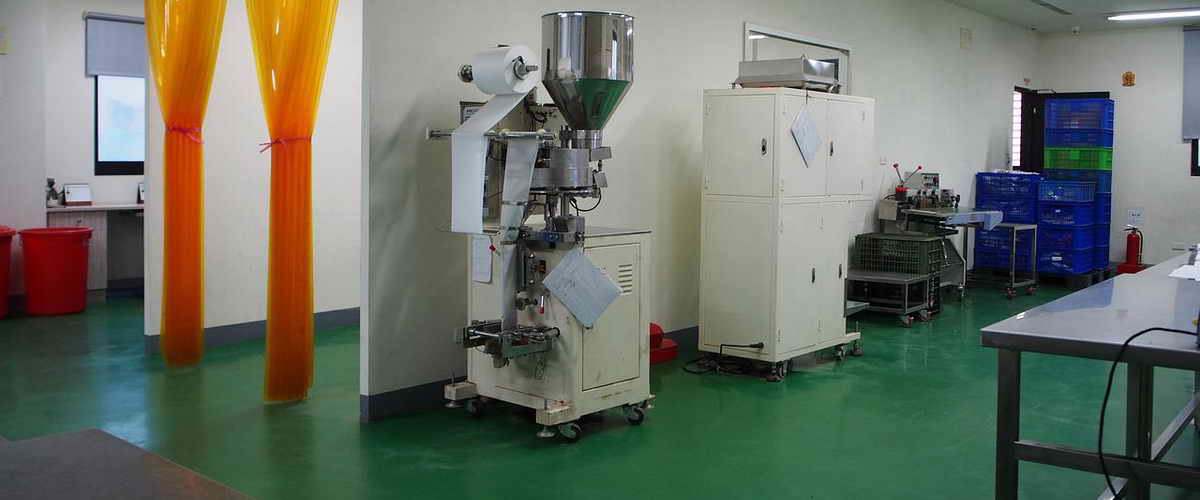
- Food processing areas where bacteria and moisture make a durable, seamless surface essential
- Manufacturing plants running around the clock that can’t absorb extended downtime
- Garage floor and loading dock areas with constant vehicular traffic and heavy loads
- Any business facing minimal disruption tolerance during a renovation or expansion
Have questions about timing or your specific facility? We are happy to talk through your project, no hidden fees, no pressure.
What Mistakes Do Facilities Make With MMA Flooring Installation?

The most common mistake is skipping a ventilation plan for the strong odor MMA emits during curing and not checking that the formulation meets California’s VOC rules. A few others show up often:
- Hiring an inexperienced crew who misjudge the fast cure window and waste material
- Skipping proper surface prep on wood or tile substrates before the new layer goes down
- Assuming every area needs the same slip resistance texture, when wet areas and dry storage often call for different finishes
- Choosing MMA for a low-traffic space where standard epoxy would be a more cost-effective material
Key Takeaways
- MMA flooring cures in 1 to 2 hours and installs in low temperatures down to- 20°F
- It costs more than epoxy flooring upfront, but offers less downtime and a faster return to service
- Cold storage, food processing areas, and 24/7 manufacturing plants benefit the most
- The strong odor during cure requires ventilation, and the fast cure window requires an experienced installer
- MMA bonds to concrete, wood, and tile substrates with the right prep work
- Matching the system to your facility’s traffic and temperature needs matters more than picking the most durable option on paper
Frequently Asked Questions About MMA Flooring
How long does MMA flooring take to cure?
MMA flooring is typically fully cured and ready for foot and vehicular traffic in 1 to 2 hours, much faster than epoxy or urethane systems.
Can MMA flooring be installed in cold storage facilities?
Yes. MMA flooring can be installed in temperatures as low as -20 degrees Fahrenheit, making it a strong fit for cold storage and freezer environments.
Is MMA flooring more expensive than epoxy?
Yes, MMA flooring usually costs more per square foot than epoxy, but the minimal downtime often offsets that cost for busy facilities.
Does MMA flooring smell bad after it’s installed?
The strong odor only happens during the installation process. Once the coating is fully cured, the smell goes away, and the surface is odor-free.
Is MMA flooring slip-resistant?
Yes. MMA coatings can include textured additives for slip resistance, which makes them a strong choice for wet areas and food processing facilities.
Picking the right floor for your facility comes down to matching MMA flooring, epoxy, or a urethane system to your traffic, temperature, and downtime needs, not just the price tag. Extreme Industrial Coatings has helped facilities across Fresno and Northern California make that call honestly for over 15 years, and we’re a family-owned crew with no hidden fees on every quote. You can see the rest of our California industrial coatings work on our service pages.
Call us at 559-213-4731 for a free quote today!