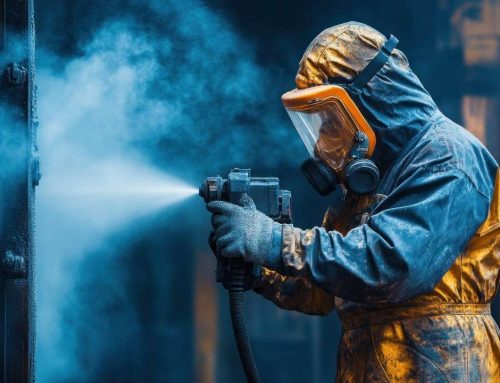

Choosing the right industrial coating for a Northern California climate in 2026 means matching your system to more than just the surface it goes on. Heat, UV rays, moisture, chemical exposure, and tightening air district rules all shape which coating type performs and which one fails early. This guide breaks down the key environmental factors that drive coating selection across the Central Valley, wastewater treatment plants, food processing facilities, and other industrial applications throughout Northern California.
TL;DR: What You Need to Know
Match your coating to your climate zone first, then your facility type. Central Valley heat and UV exposure point toward a UV-stable polyurethane topcoat over an epoxy base. Wastewater treatment plants and chemical-heavy environments need strong corrosion resistance and good chemical resistance above everything else. Food processing and ag facilities almost always need urethane cement. Air district rules in Northern California narrow your options further, so work with a coating contractor who knows which formulations are actually usable in your region.
Why Northern California’s Climate Makes Coating Selection Harder Than Most States

Northern California is not one climate. Fresno’s summer heat regularly hits triple digits. Coastal facilities deal with salt-laden air that accelerates corrosion on exposed steel. Mountain-adjacent cold storage facilities face freeze-thaw cycles that crack rigid coatings. And the San Joaquin Valley Air Pollution Control District layers its own VOC rules on top of the California Air Resources Board’s statewide limits, which already go further than federal EPA standards.
Most industrial coatings perform fine in moderate conditions. The problem is that most industrial environments across Northern California are not moderate. With so many options across the industrial coatings industry, it’s easy to pick a coating that checks a general spec sheet but still fails early under local conditions. Wastewater treatment plants, food processing plants, storage tanks, and high-traffic areas all push different coatings harder than a standard commercial space, and the climate adds another layer of stress on top of that.
What Environmental Factors and Surface Preparation Drive Coating Selection in Northern California?
| Climate Challenge | Where It’s Most Common | Coating Implication |
|---|---|---|
| Extreme heat and UV exposure | Fresno, Stockton, Sacramento | UV-stable polyurethane topcoat essential for outdoor applications |
| Constant moisture and chemical exposure | Food processing, wastewater treatment plants | Urethane cement or chemical-resistant epoxy coating system |
| Coastal salt air and humidity | Bay Area, coastal Northern CA | Zinc-rich primer or zinc primer system required on exposed metal |
| Freeze-thaw and temperature swings | Cold storage, Sierra foothills | Polyurea or MMA for flexibility and low-temperature cure |
| VOC compliance across air basins | SJVAPCD, Bay Area AQMD | Low-VOC formulations required; solvent-heavy coatings restricted |
How Does Central Valley Heat Affect Your Coating System?
The Central Valley’s heat creates several factors that standard epoxy coatings aren’t built to handle outdoors. UV rays break down epoxy base coats without a UV-stable topcoat over them, causing chalking, color instability, and early adhesion failure on exterior surfaces.
Most industrial coatings designed for outdoor applications in this region use a three-coat system: a zinc-rich primer for corrosion protection on metal substrates, an epoxy intermediate coat for barrier protection and chemical resistance, and an aromatic polyurethane topcoat or polyurethane coating layer for UV resistance, UV stability, and color stability. Polysiloxane coatings are another option when a project needs excellent weather resistance and appearance retention. These coatings offer strong weather resistance and drying times that suit Northern California’s warm, dry summers, though application conditions like extreme heat can affect performance and require proper timing. Skipping the polyurethane topcoat to cut labor costs may lower upfront cost, but a more durable system often reduces long-term maintenance or recoating expense; most industrial coatings last 10 to 20 years, and epoxy coatings can also last 10 to 20 years when properly applied. That tradeoff matters because harsh conditions expose the epoxy base to UV rays and environmental elements that break it down faster.
Inside facilities, high temperatures near processing equipment or open bay doors create thermal cycling that causes rigid epoxy coatings to expand and contract until they crack. Urethane cement and polyurea coatings handle this better than standard epoxy coatings in those applications.
Not sure which coating system fits your facility’s conditions? Call us at 559-213-4731, and we’ll walk you through it honestly.
What Do Wastewater Treatment Plants and Chemical Facilities Need?

Wastewater treatment plants represent one of the most demanding coating environments in Northern California. Concrete and steel in these facilities face constant moisture, hydrogen sulfide gas, and chemical exposure that corrode unprotected surfaces faster than almost any other industrial application.
Corrosion resistance is the primary durability requirement here, not abrasion resistance. The right coating system for wastewater treatment plants typically includes:
- A zinc primer or zinc-rich primer on all exposed steel components and storage tanks, which protects steel by sacrificing itself to prevent rust
- A high-build epoxy intermediate coat with good chemical resistance
- An epoxy base or novolac epoxy lining on surfaces in direct chemical contact, for example concrete channels and secondary containment areas
- Intumescent coatings on structural steel where fire protection is also a project requirement
Chemical plants and industrial facilities storing aggressive contents follow a similar selection process. The substrate, the stored contents, the coating material, and the environmental conditions together determine the right coating and linings system, not the price per square foot.
How Do Food Processing and Agricultural Facilities Differ?

Food processing facilities across Fresno and Northern California deal with thermal shock from steam cleaning cycles, constant moisture, and FDA Food Safety Modernization Act sanitary surface requirements that eliminate most standard epoxy coatings from consideration. A durable coating in this environment needs seamless surfaces, thermal shock tolerance, and strong adhesion to concrete floors that see aggressive daily cleaning.
Urethane cement is the most common answer for these facilities because it handles all three demands. It also resists harsh chemicals and handles extreme temperatures in ways that standard epoxy coatings simply don’t in food-grade applications.
Have questions about which coating system fits your facility type? We’re happy to talk through your project, no hidden fees, no pressure.
How Do Air District Rules in Northern California Limit Your Options in 2026?
The San Joaquin Valley Air Pollution Control District enforces VOC limits that go beyond what CARB requires statewide, which means some coating formulations legal in other California regions aren’t usable in Fresno or the Central Valley without special permits. Several factors from the Surfer data and the regulatory environment reinforce this: solvent-based coatings with high VOC content, certain aromatic polyurethanes, and older epoxy resin systems may all face restrictions depending on your air basin and application method.
Your VOC compliance requirements should be confirmed before any coating contractor orders materials. Our existing VOC compliance guide covers the specific limits by coating category in more depth.
Key Takeaways
- Central Valley heat and UV exposure require a UV-stable polyurethane topcoat on any outdoor or mixed-exposure coating system
- Wastewater treatment plants and chemical facilities need corrosion resistance and chemical resistance as the primary durability requirements, not just abrasion resistance
- Zinc-rich primer and epoxy intermediate coat systems are the baseline for exposed steel and storage tanks in most Northern California industrial applications
- Food processing facilities almost always require urethane cement for thermal shock, moisture, and FDA sanitary surface compliance
- Air district rules in the San Joaquin Valley restrict certain formulations, so confirm VOC compliance before selecting a coating type
- Surface preparation and strong adhesion matter more than the brand of coating you specify
Frequently Asked Questions About Choosing Industrial Coatings for Northern California
What is the best industrial coating for extreme heat in the Central Valley? A three-coat system with a zinc primer, epoxy intermediate coat, and UV-stable polyurethane topcoat handles Central Valley heat and UV rays better than any single-coat solution.
Do wastewater treatment plants need a different coating system than other facilities? Yes. Wastewater treatment plants require coatings with high chemical resistance and corrosion resistance, typically a zinc-rich primer and a chemical-resistant epoxy or novolac epoxy lining on surfaces in direct chemical contact.
Which coating works best for food processing plants in Northern California? Urethane cement is the most common durable coating choice for food processing plants because it handles thermal shock, constant moisture, and FDA sanitary surface requirements that standard epoxy coatings can’t meet.
How do air district rules in Northern California limit my coating choices? The San Joaquin Valley Air Pollution Control District enforces VOC limits stricter than CARB statewide rules, which can restrict certain solvent-based coatings and some aromatic polyurethanes depending on your application method and coating category.
Does temperature affect how quickly an industrial coating cures? Yes. Most epoxy coatings need 50°F or higher to cure properly. In cold storage or mountain-adjacent facilities, polyurea and MMA flooring are better-suited options because they cure reliably in extreme temperatures.
Choosing the right industrial coating for a Northern California climate in 2026 comes down to matching your coating system to your climate zone, your facility type, and the environmental conditions your surfaces actually face. Extreme Industrial Coatings is a family-owned contractor that has served Fresno and Northern California honestly for over 15 years, and we’re ready to help you find the right system with no hidden fees on any quote. See more of our industrial coatings and California industrial coatings work on our service pages.
Call us at 559-213-4731 for a free quote today!